
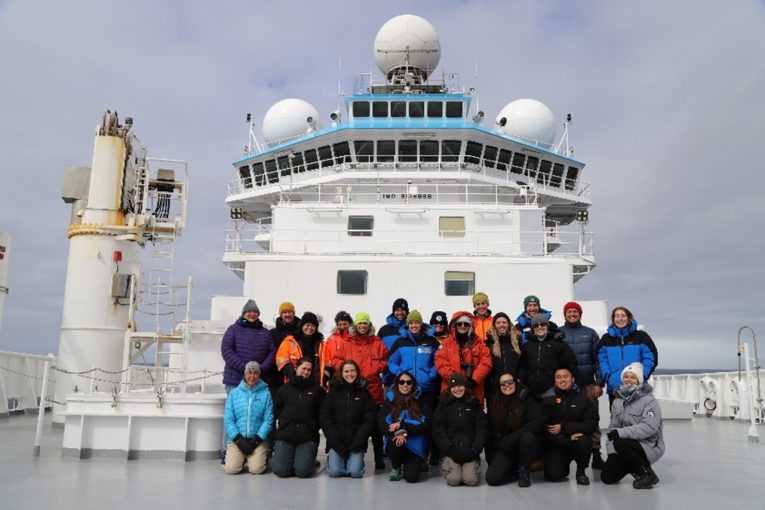
Ezra Timothy Nugroho, a young researcher and alumnus of the Faculty of Biology at Universitas Gadjah Mada (UGM) class of 2023, has just completed a historic scientific expedition in East Antarctica. Representing the Institute for Marine and Antarctic Studies (IMAS) at the University of Tasmania, Ezra joined 22 multinational scientists on the Cook Ice Ecosystems and Sediments (COOKIES) 2026 voyage
Ezra’s passion for genetic research began during his undergraduate studies at UGM, where he used environmental DNA (eDNA) from the Code River, Yogyakarta, to detect fish species. This interest led him to pursue a Master’s degree at IMAS, focusing on sedimentary ancient DNA (sedaDNA) from Antarctic waters. His hard work connected him with his supervisor, Dr. Linda Armbrecht, who invited him to join this Antarctic voyage to collect samples for his upcoming PhD research.
Aboard the CSIRO research vessel (RV) Investigator, the expedition focused on the Cook Glacier marine region in George V Land. This area is considered one of the most climatically vulnerable regions in Antarctica, as the Cook Ice Shelf drains a massive amount of ice from the Wilkes Subglacial Basin. Recent modeling projects that this region could lose around 14 gigatons of ice annually over the next 200 years, making it the single largest potential contributor to future global mean sea-level rise.
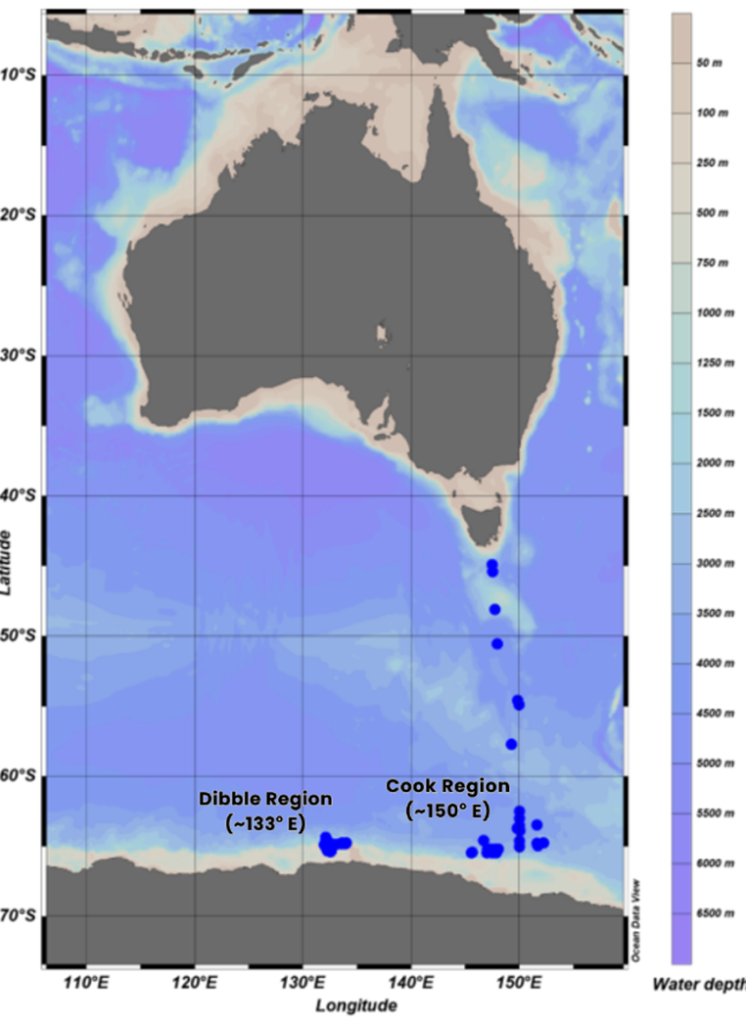

Departing from Hobart, Tasmania, on January 2, 2026, the team traveled 6,534 nautical miles over 55 days. The expedition was driven by three main scientific goals: to reconstruct marine ecosystem shifts over the past one million years, to investigate the link between seafloor biodiversity and ice sheet movements, and to understand the factors shaping the distribution of marine life in this remote region.
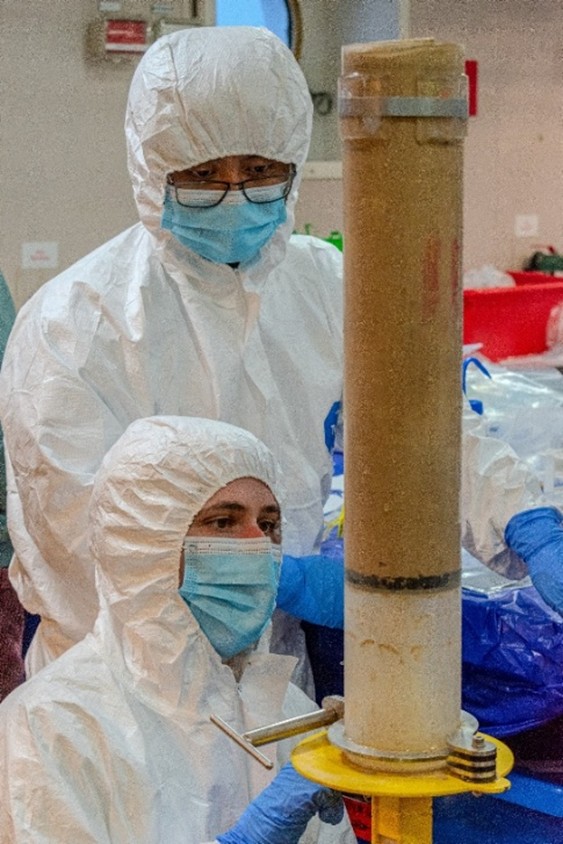
Ezra’s primary task during the voyage was conducting sediment sampling for ancient DNA (aDNA) analysis. The team successfully retrieved 14 multicores, 13 Kasten cores, and 5 piston cores. This process required extreme caution and strict contamination-control protocols. Ezra and the team had to wear full personal protective equipment (PPE) including coveralls, safety glasses, masks, and hair covers, because ancient DNA is highly sensitive and vulnerable to oxygen exposure, elevated temperatures, radiation, and contamination.
The team’s hard work paid off with a record-breaking achievement: they successfully recovered the longest piston core in the history of RV Investigator expeditions. The 20.5-meter sediment core was retrieved from a water depth of 3,650 meters. Based on preliminary identification of microscopic diatom shells at the bottom of the sample, scientists estimate the sediment holds historical records dating back at least two million years.

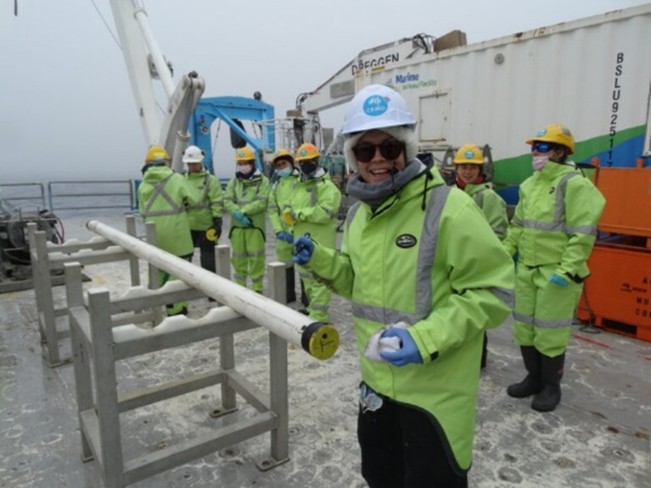
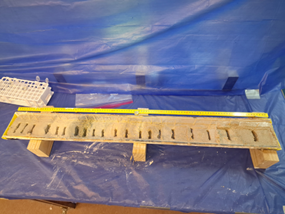
Beyond extracting DNA, Ezra participated in other scientific operations, such as deploying the Trace Metal Rosette, collecting water from CTD Niskin bottles, and retrieving organisms from the benthic sled. He also had the opportunity to present his Master’s research during daily onboard science sessions.
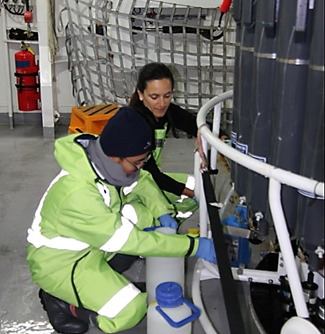
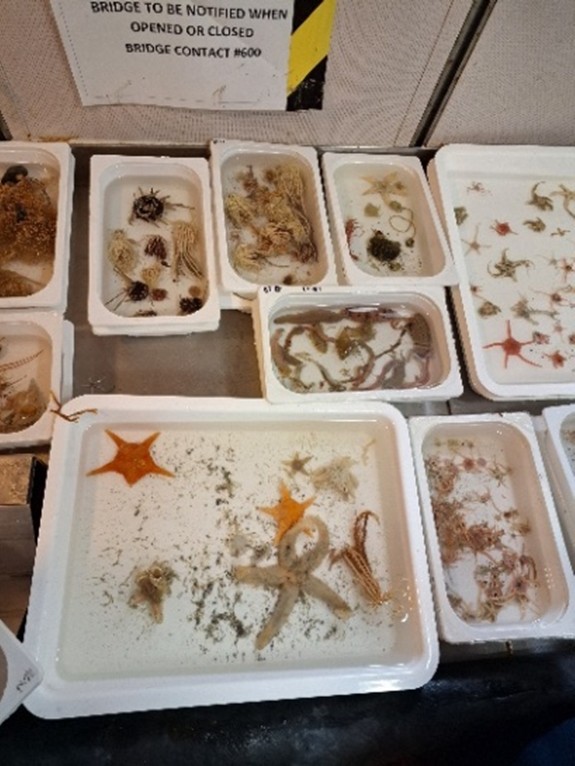

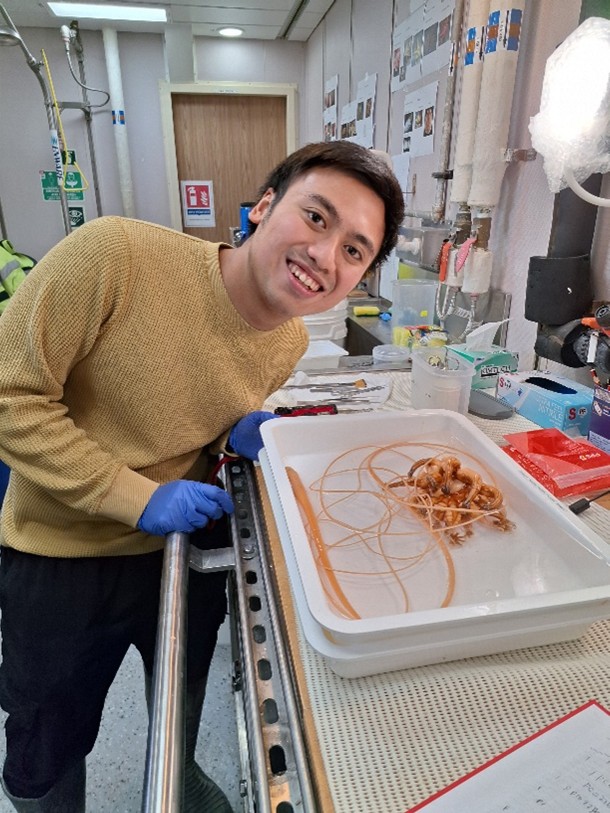
The RV Investigator returned to Hobart on February 25, 2026, bringing home precious samples now safely stored in a -80°C freezer at IMAS. For the next stage of his PhD research, Ezra will focus on the sedaDNA analysis of Southern Ocean mollusc species. He plans to integrate these findings with his Master’s data from the 2022 COLLAPS (Cook Glacier–Ocean System, Sea Level, and Antarctic Past Stability) voyage and modern DNA datasets. This comprehensive research is expected to improve predictions on how marine organisms will respond to ongoing and future climate change.
Documentation: Ezra